
Essential Steps for Overseeding Small Turf Areas

As autumn arrives in Arizona, homeowners and landscapers prepare for the rewarding task of overseeding small turf areas. This process not only boosts the visual appeal of lawns but also maintains their health and vibrancy throughout the cooler months. The key to successful overseeding lies in proper preparation. In this guide, we'll walk you through the essential steps needed to achieve a lush, green lawn.
Understanding the Importance of Overseeding
Overseeding involves spreading grass seed over an existing lawn to enhance its density and overall health. In the challenging Arizona climate, overseeding is especially valuable. It fills in bare spots, fights weeds, and strengthens the turf, making it more resilient against winter chill.
Research indicates that lawns benefitting from overseeding can recover from stress and remain up to 50% thicker than those that are not overseeded. By following these essential steps, you can ensure optimal growth even as temperatures drop.
Step 1: Timing Your Overseeding
Timing is critical when overseeding. In Arizona, the ideal window typically falls between late September and early October. Timing your overseeding right allows new grass to establish before the first frost.
Stay alert to weather forecasts. Avoid overseeding just before heavy rainfall or frost, which can wash away seeds or impede germination. Aiming for a window where nighttime temperatures are consistently between 55°F and 70°F will support optimal germination.
Step 2: Preparing the Soil
Proper soil preparation sets the stage for successful overseeding. Begin by mowing your existing grass to a height of about 1 to 1.5 inches. This provides better access for new seeds.
Next, rake the area to clear away debris like leaves or dead grass. This not only cleans the surface but also aerates the soil, creating a favorable environment for seed penetration.
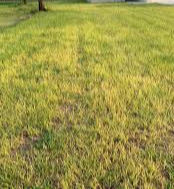
Step 3: Aerating the Lawn
Aeration is a crucial step in overseeding. It involves creating holes in the soil to allow air, water, and nutrients to reach the root zone. In compacted Arizona soil, aeration is especially important for encouraging grass growth.
Using a core aerator removes small plugs of soil, while a spike aerator simply creates holes. Aim for 15-20 holes per square foot for best results. This step ensures the new seeds have a better chance to germinate and develop strong roots.
Step 4: Choosing the Right Seed
Selecting the right grass seed is essential for successful overseeding. Cool-season grasses, such as ryegrass, are popular for winter overseeding in Arizona due to their quick germination and lush appearance. Research shows that ryegrass can germinate in as little 5 to 10 days under ideal conditions.
When purchasing seeds, opt for high-quality brands that are drought-resistant and suitable for your specific lawn conditions. Always examine the seed label for details about grass type and growth requirements to ensure the best match for your lawn.
Step 5: Spreading the Seed
Once you have prepared the soil and selected your seeds, it is time to spread them. Use a broadcast spreader for a uniform distribution, ensuring the whole area is covered.
Typically, you should apply around 5-10 pounds of seed per 1,000 square feet. This can vary based on the seed type. After spreading the seeds, lightly rake the area again to improve seed-to-soil contact.

Step 6: Watering and Fertilizing
Proper watering is critical after overseeding for seed germination. Water lightly and frequently to keep the soil consistently moist until the new grass establishes. Depending on the weather, this may require watering once or twice daily.
Additionally, applying a starter fertilizer can give new grass the nutrients it needs. Look for a fertilizer high in phosphorus to promote strong root development.
Step 7: Maintenance After Overseeding
Once your new grass is growing, it requires proper maintenance. Continue watering regularly, but gradually reduce the frequency as the grass matures.
Mow the grass when it reaches about 3 inches in height. Cut no more than one-third of the blade length each time you mow. This promotes healthy growth and minimizes stress on the young turf.
Final Thoughts on Overseeding
Overseeding small turf areas in Arizona can transform your lawn from dull to vibrant even during the winter months. By following these essential steps—timing your overseeding, preparing the soil, aerating, selecting the right seed, spreading it evenly, and maintaining it properly—you can ensure a successful overseeding process.
With a bit of effort and care, your lawn will thrive through the winter, creating a lovely outdoor space for you and your family to enjoy. Happy overseeding!


Comments